
Sustainable tourism in Latin Trails
Latin Trails recognizes the impact of tourism on both local cultures and the environment. We are aware of the importance of preserving the cultural and natural heritage of the South American destinations we promote.
We are strong advocates of Sustainable Tourism practices, constantly reviewing our tourism programs to find ways to minimize the impact our visits have on the locations in which we operate.
Latin Trails takes responsible travel seriously, we work with local communities and conservation experts to minimize the impact of our tours. We try to run a green office and make our employees aware of the environmental and cultural impact of our actions. We take special care of the fragile ecosystem we have in the Galapagos, where we have our Seaman Journey Catamaran.
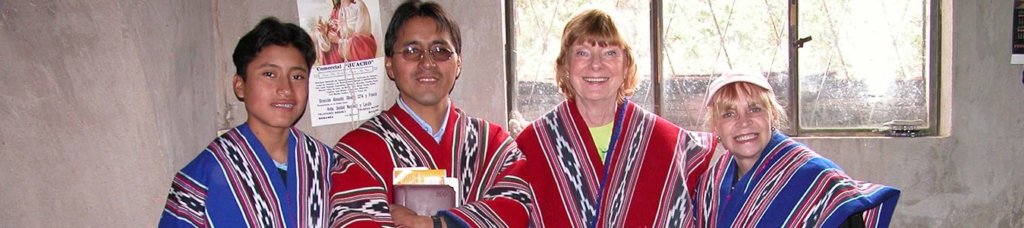
We Consume Local
We work with local artisans to produce products that we usually use as souvenirs for our international partners.
Promoting Sustainable, Responsible, and Participatory Tourism
Sustainable
The first adjective, sustainable, refers to the concept of sustainable development as it emerged from economic environments in the 1970s and then applied to tourism.
This principle refers to the non-destructive use of resources, synthesized in the following sentence from the Brutland report:
“Sustainable development is the ability to meet the needs of the present without compromising those of future generations”.
Sustainability is a necessary characteristic of tourism products, the natural environment, and human resources. Including all levels throughout the service delivery process.
Responsible
The second adjective, responsible, refers to a request and an offer of a trip that implies awareness of the impact of our actions, in this case with respect to the provider and the consumer of tourism services. The aim is to avoid destructive mechanisms and to try to turn travel into a positive impact on the people we meet, the places we visit, and the services we use, as well as for our personal growth.
Participative
The third adjective, participatory, is used in its broadest sense. Participation means being a promoter of a tourism project or initiative, it means being part of a project and taking ownership of its content and modality that represent its deepest interests; offering total availability to those who live in the places we visit to share time, space, and practices. Participation is an essential part of the journey, participatory planning and organization strengthen the process.
These three principles in practice can change the nature of the behavior of both host and traveler: from a position of passive consumption to a true position of exchange. Trips conceived under these principles produce a new type of tourism; they show the traveler’s real interest in getting to know the reality of the place he/she is visiting and the local traditions, creating variety in possibilities of activities and favorable situations.
This type of travel generally starts in developed countries and moves towards developing countries. In this sense, sustainable tourism is a constructive way to learn, understand and contribute personally.
IN GENERAL, WE ARE LOOKING FOR:
- Protect the environment: its flora, fauna, and landscapes.
- Respect local cultures: traditions, religions, and built heritage.
- Benefit local communities, both economically and socially.
- Conserve natural resources, from the office to the destination.
- Minimise pollution: through noise, waste disposal, and congestion.
Sustainable Purchasing Policy
Latin Trails has an established purchasing policy that gives preference to sustainable suppliers and products, whenever available and of sufficient quality. This includes consideration of environmental, social, and ethical standards in the procurement of goods and services.
Our policy is aligned with our broader sustainability commitments and focuses on the following priorities:
Internal Commitment and Staff Wellbeing
Latin Trails recognizes that sustainability also involves caring for our employees, who are essential to delivering meaningful travel experiences. We are committed to creating a safe, fair, and inclusive workplace where staff can thrive personally and professionally.
- We comply with Ecuadorian labor laws, respecting workers’ rights, diversity, and gender equality, while ensuring fair and dignified conditions.
- We provide training and professional development opportunities, including sustainability-focused capacity building aligned with Travelife principles. For example, our staff participate in specialized training programs such as those offered by LATA and other continuous learning initiatives.
- We promote a healthy work–life balance, encouraging practices that reduce stress and enhance wellbeing.
- We foster an inclusive environment where every employee’s voice is valued, and we promote equal opportunities regardless of gender, background, or role.
- We raise awareness among our employees about sustainability principles, ensuring they are part of the change and ambassadors of responsible travel.