ECUADOR PROTECTS ITS NATURAL TREASURES
THE NATURAL HERITAGE OF THE GALAPAGOS ISLANDS SHIELDED AND PROTECTED
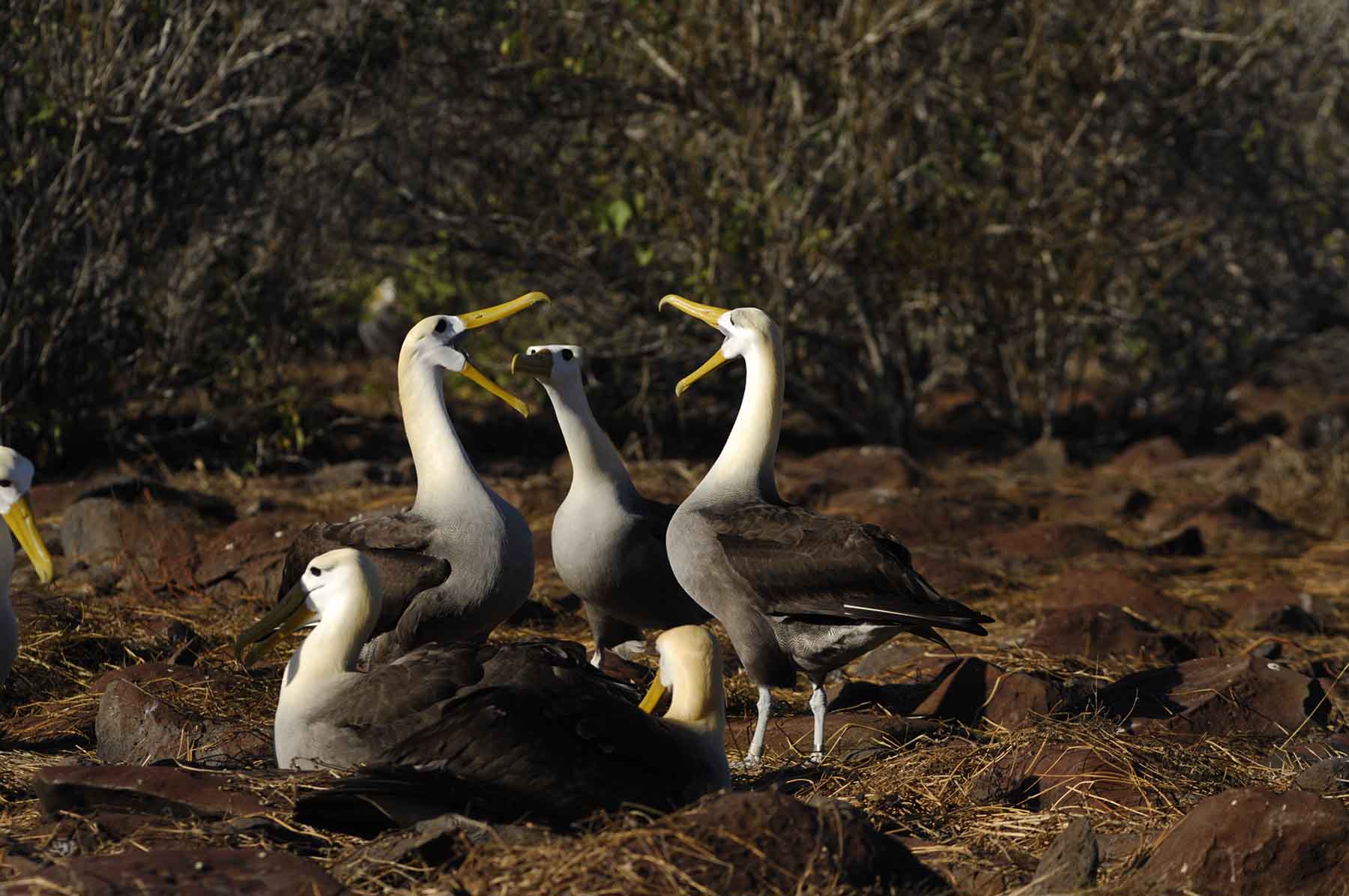
The Ecuadorian government announced the largest debt-for-nature conservation swap in the world and the most important in the history of humanity, which generates savings of US$1.1 billion in debt for the country, with which it will invest US$450 million for the protection of the Galapagos Islands.
These efforts will strengthen the protected areas of Galapagos, namely its two Marine Reserves and the National Park, by prioritizing monitoring, control, and patrolling to ensure the integrity of the archipelago’s key marine ecosystems, including critically endangered migratory species such as whale and hammerhead sharks and sea turtles, among others. The resources will also support Ecuador’s work to monitor ocean health, promote sustainable fisheries, and strengthen climate resilience.
The Inter-American Development Bank and the U.S. Development Finance Corporation supported this operation. It consisted of an IDB guarantee of $85 million and $656,000,000 of ¿ political risk insurance provided by DFC for Ecuador to purchase existing public debt at better terms.
This type of operation allows countries to improve debt management and boost investment in sustainability, biodiversity, and environmental sustainability. This operation marks an important milestone for the IDB in its strategy to deploy innovative financing instruments and mobilize
resources for sustainable development.
ECUADOR GUARANTEES PROTECTION OF YASUNÍ NATIONAL PARK
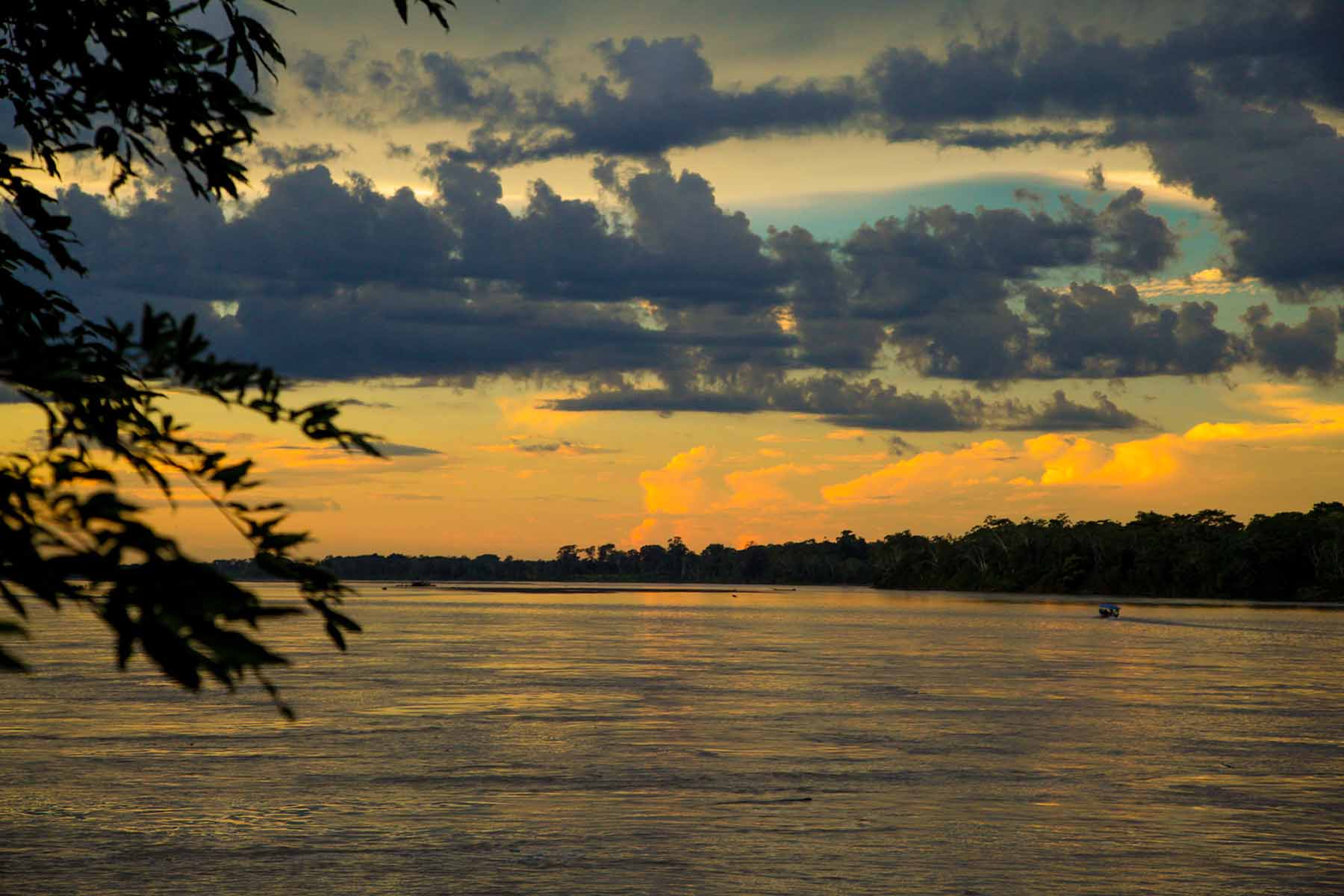
The Yasuní National Park covers about 1 million hectares and is located in the heart of the Ecuadorian Amazon. Just one hectare of land in Yasuní is supposed to contain more animal species than the whole of Europe and more tree species than exist in the whole of North America. The Park contains more than 2,000 species of trees and shrubs, 204 species of mammals, more than 600 species of birds, 150 species of amphibians, 120 species of reptiles, and more than 250 species of fish.
On August 20, the national government held a referendum on oil exploitation in a block located in the Yasuní National Park. The majority of Ecuadorians voted in favor of halting oil exploitation operations in Block 43. This decision will allow the equipment currently in the sector to be removed in an environmentally friendly manner without causing damage that could affect the fauna, flora, and communities present in the area.
By complying with this decision, the objective is to return this territory to nature, guaranteeing the protection of this true natural treasure and conserving its biodiversity so that it can be appreciated by future generations.