+1 973 917 8275
Start Planning
Discover conservation in action through meaningful journeys

BECOME A CITIZEN SCIENTIST

Support Wildlife Research, Conservation & Sustainable Practices Across Our Natural Destinations
Travel is more than discovering extraordinary places, it's an opportunity to help protect them. Through the Latin Trails Citizen Scientist Program, travelers can make a positive impact by supporting conservation, scientific research, and sustainable practices. Whether aboard expedition cruises or through hotel based experiences, every journey becomes an opportunity to connect with nature, contribute to wildlife conservation, and leave a lasting legacy for future generations.

Logo Latin Trails

About the program

The Latin Trails Citizen Scientist Program transforms travelers into active contributors to scientific research and conservation. Whether exploring the Galápagos National Park aboard expedition cruises, enjoying hotel based experiences, or discovering the Pacaya Samiria National Reserve in the Peruvian Amazon, guests participate in wildlife monitoring through photography, species documentation, and citizen science platforms such as Happy Whale and iNaturalist. Together, these initiatives support the conservation of iconic wildlife while generating valuable scientific data that helps protect some of South America's most extraordinary natural destinations. Discover the conservation initiatives that make up the Latin Trails Citizen Scientist Program Below.

Happy Whale Program

Contributing to global whale research and conservation 

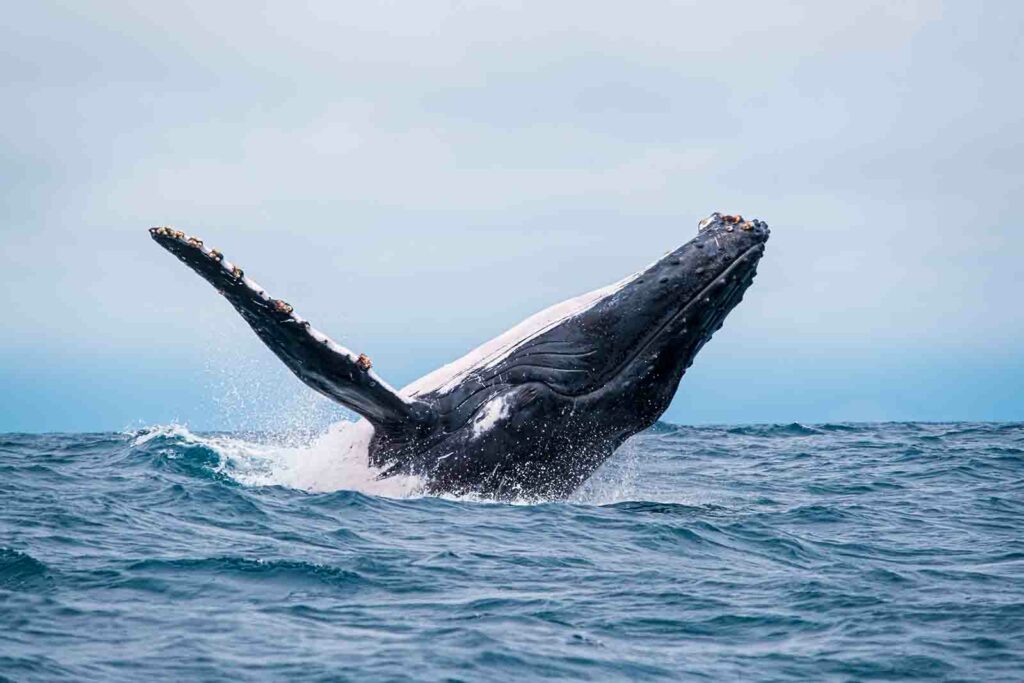
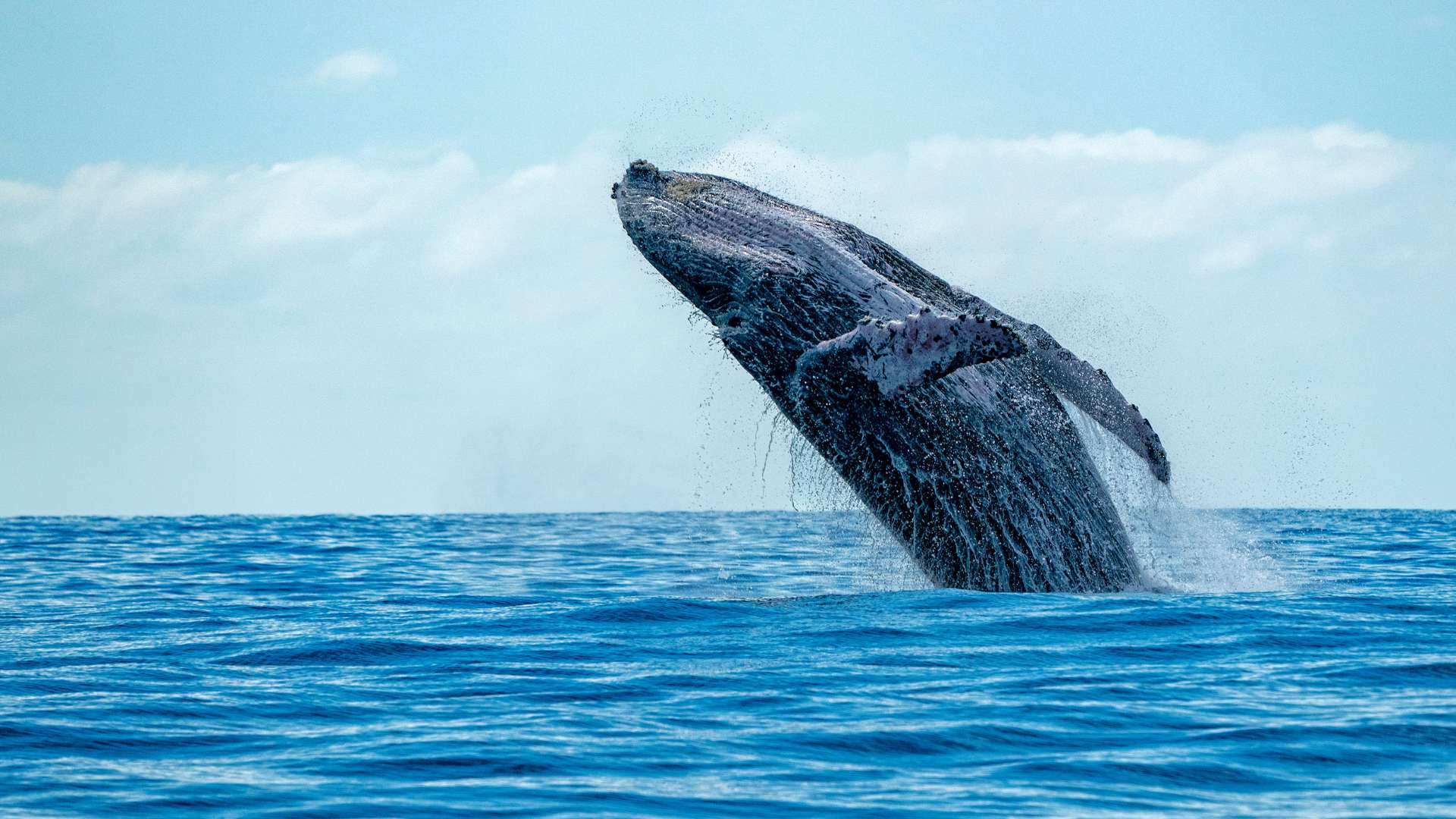
The Happy Whale Program allows travelers to contribute to global whale conservation by photographing whales encountered during their Galápagos journey. Images are uploaded to Happy Whale, an international citizen science platform that uses advanced photo-identification technology to recognize individual whales and track their movements throughout their lives.

Every photograph becomes part of a global scientific database, helping researchers better understand migration routes, family connections, feeding areas, population trends, and the long-term health of whale populations

Humpback Whale | Ecuador & Galapagos Islands

Ways to Support Happy Whale

There are many ways to become part of the Happy Whale community and support whale conservation:

DONATE

Support whale research and conservation.

BECOME A MONTHLY SUPPORTER

Help sustain long-term conservation efforts.

ADOPT & NAME A WHALE

Follow a whale’s lifetime journey.

JOIN WhaleID

Follow a whale’s lifetime journey.

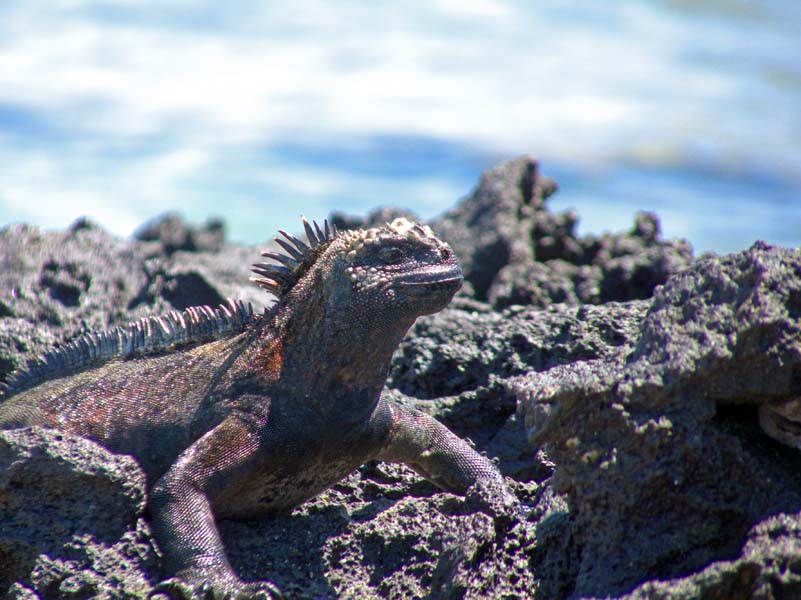
Marine Iguana Project

Contributing to the conservation of one of Galápagos’ most iconic species

Marine iguanas (Amblyrhynchus cristatus) is the world’s only marine lizard, found exclusively in the Galápagos National Park, and are currently classified as Vulnerable. Through the Latin Trails Marine Iguana Project, travelers upload verified observations through iNaturalist, helping researchers monitor the species’ distribution, population trends, and long-term conservation across the archipelago.


These records provide valuable information that supports scientific research and conservation management across the archipelago.

Taricaya Turtle
Monitoring
Project

Supporting the long-term monitoring of freshwater turtles across the Peruvian Amazon


Beyond the release itself, the Latin Trails Taricaya Turtle Monitoring Project, also developed with Zafiro Amazon Cruise, invites travelers exploring the Pacaya Samiria National Reserve to photograph taricaya turtles and other native freshwater turtle species encountered along their expedition.


These observations, uploaded through iNaturalist, help researchers track species distribution, habitat use, and population trends following release programs.

Taricaya Turtle
Release Project


Contributing to the conservation of a Vulnerable Amazon freshwater turtle, from the moment hatchlings return to the wild.


The taricaya turtle (Podocnemis unifilis) is one of the Peruvian Amazon’s most important freshwater turtle species and is currently classified as Vulnerable. As an important seed disperser, it helps maintain the health of Amazonian aquatic ecosystems. 


Developed in collaboration with Zafiro Amazon Cruise, the Latin Trails Taricaya Turtle Release Project invites travelers to photograph hatchlings as they are released into the Amazon River and upload their observations through iNaturalist, supporting conservation efforts in the Pacaya Samiria National Reserve.

Amazon Pink Dolphin Project

Contributing to the conservation of the Amazon’s most iconic freshwater mammal

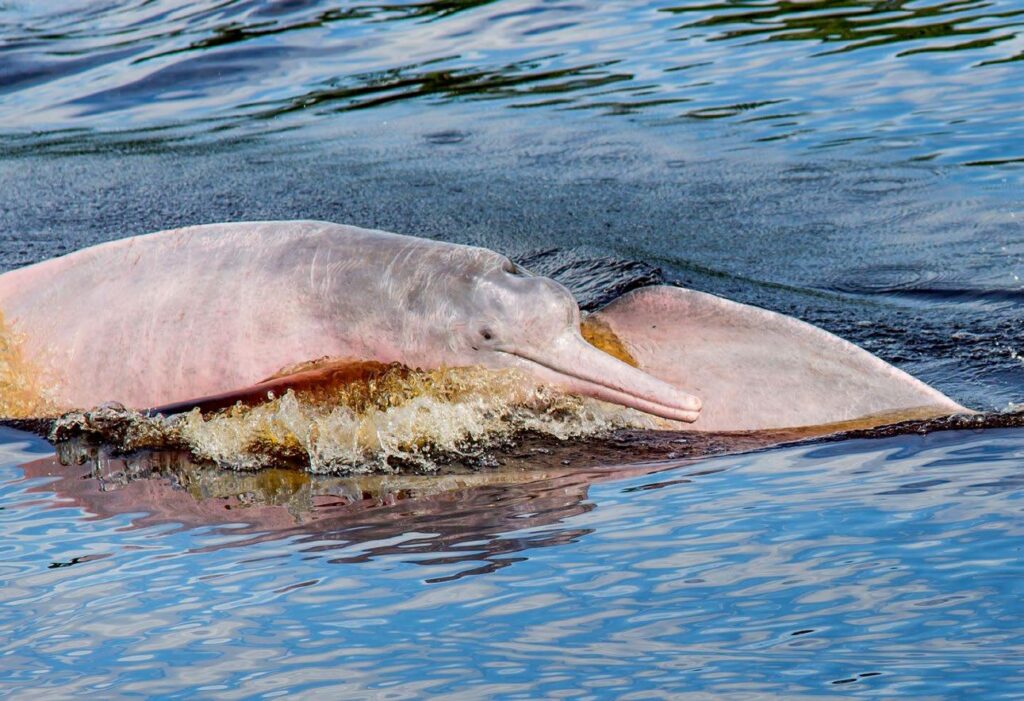
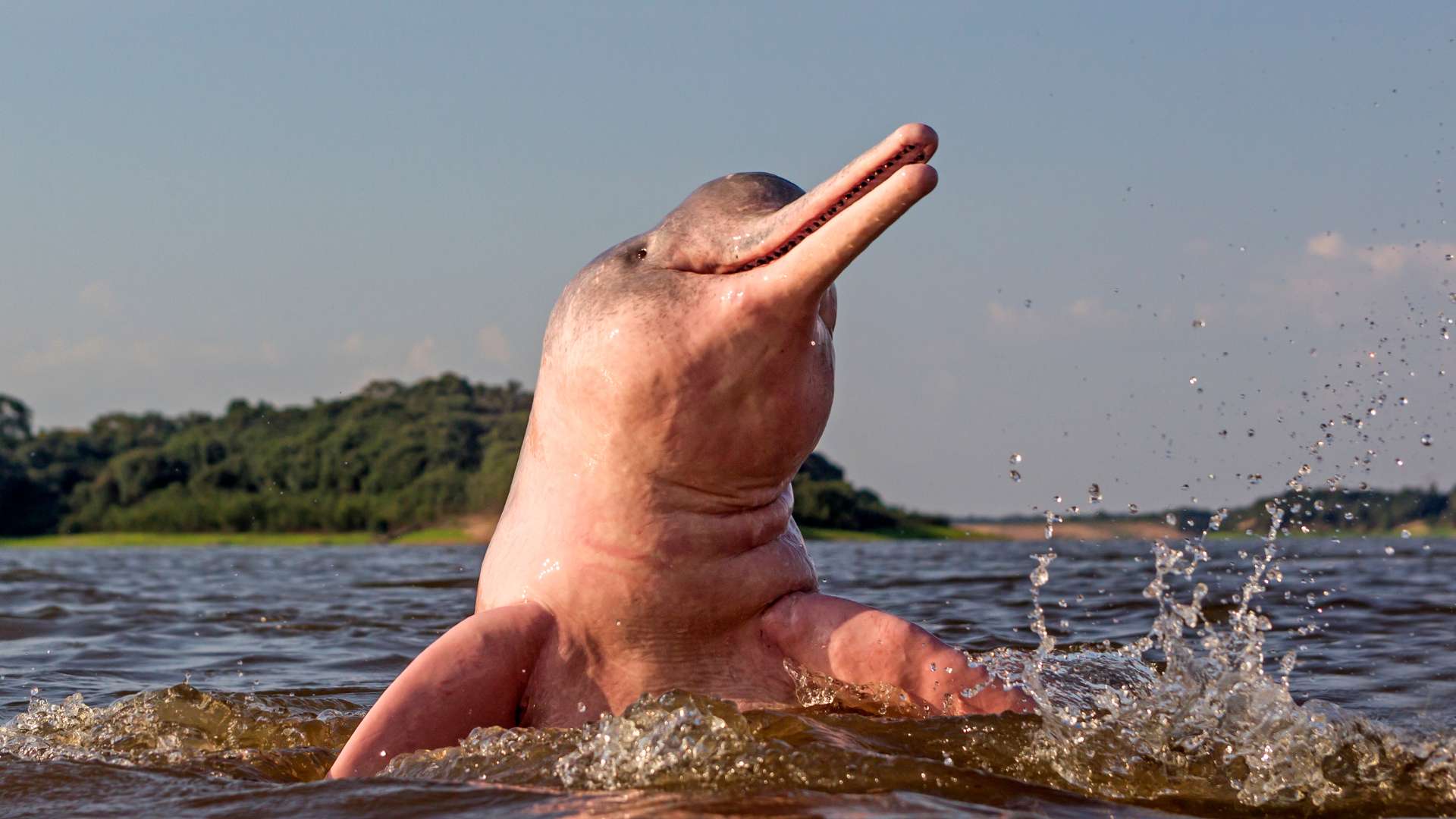
The Amazon pink dolphin (Inia geoffrensis) is the world’s largest freshwater dolphin and an important indicator of healthy freshwater ecosystems. It has evolved unique adaptations, including a flexible neck and powerful echolocation that allow it to navigate flooded forests. Is currently classified as Endangered.


Through the Latin Trails Amazon Pink Dolphin Project, travelers exploring the Pacaya Samiria National Reserve photograph dolphins in their natural habitat and upload their observations through iNaturalist. 

Pink Dolphins | Amazon

CONSERVATION IN ACTION

Every observation, photograph, and shared discovery has the power to support real scientific research and conservation. Whether you're exploring the Galápagos Islands or the Peruvian Amazon, your participation helps protect extraordinary wildlife and inspires a more meaningful way to travel. 


Together, we can transform unforgettable encounters with nature into lasting contributions for future generations. 

Pink dolphin amazon
Photograph wildlife responsibly
Galapagos Whale | Galapagos Conservacy | Latin Trails
Share meaningful scientific observations
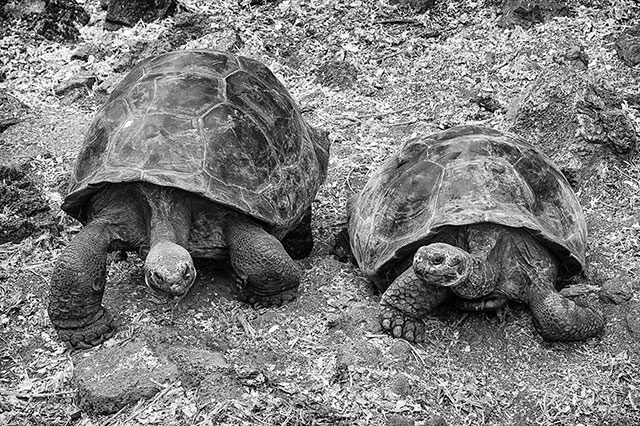
galapagos islands turtles
Support real conservation initiatives.
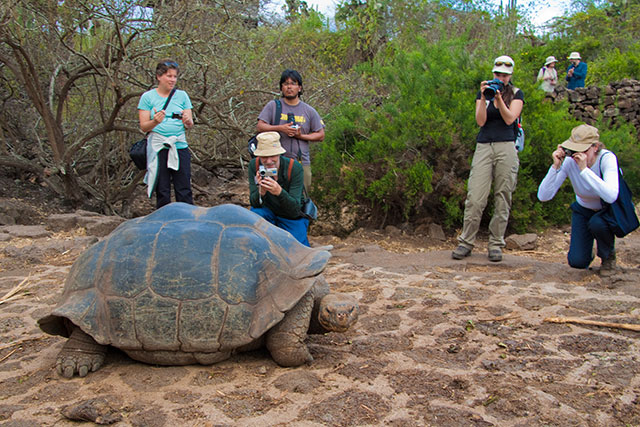
galapagos islands turtles
Leave a positive impact on every journey