Discover the highlights of San Cristóbal, Española, and Santa Cruz on a journey combining pristine beaches, remarkable wildlife, and conservation. Explore the Gianni Arismendy Interpretation Centre, encounter sea lions and all three species of Galápagos boobies at Punta Pitt and Lobos Island, and snorkel in the clear waters of Gardner Bay. Visit Española’s spectacular Suárez Point, famous for waved albatrosses and its dramatic blowhole, before concluding at the Fausto Llerena Breeding Centre, home to giant tortoise conservation efforts.
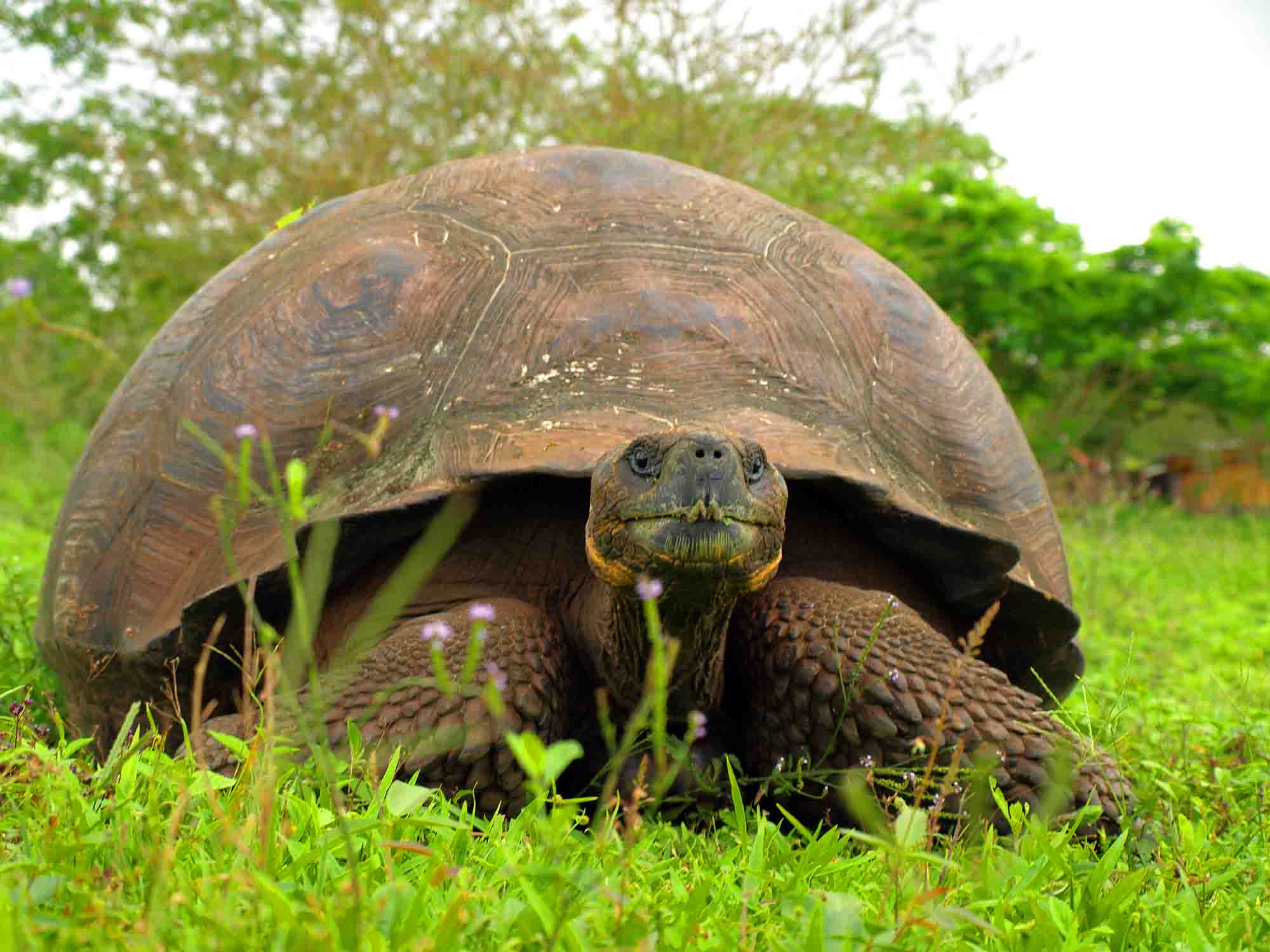
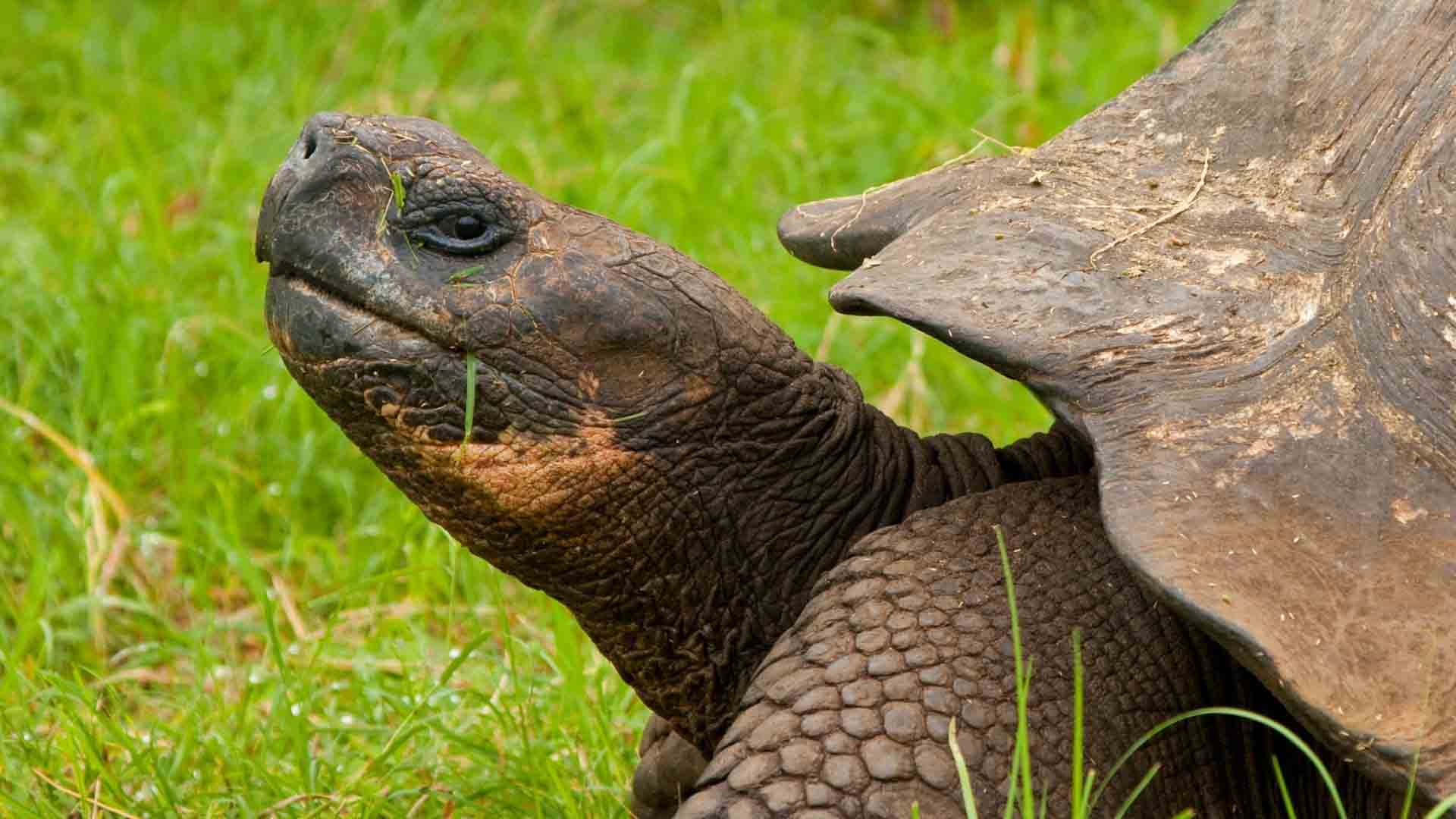
- Observe giant tortoises in their natural habitat in the Santa Cruz Highlands.
- Explore the world-famous Tortuga Bay Beach with its white sand and turquoise waters.
- Enjoy two full-day navigation tours to iconic Galapagos islands.
- Snorkel alongside sea lions, marine iguanas, penguins, and tropical fish.
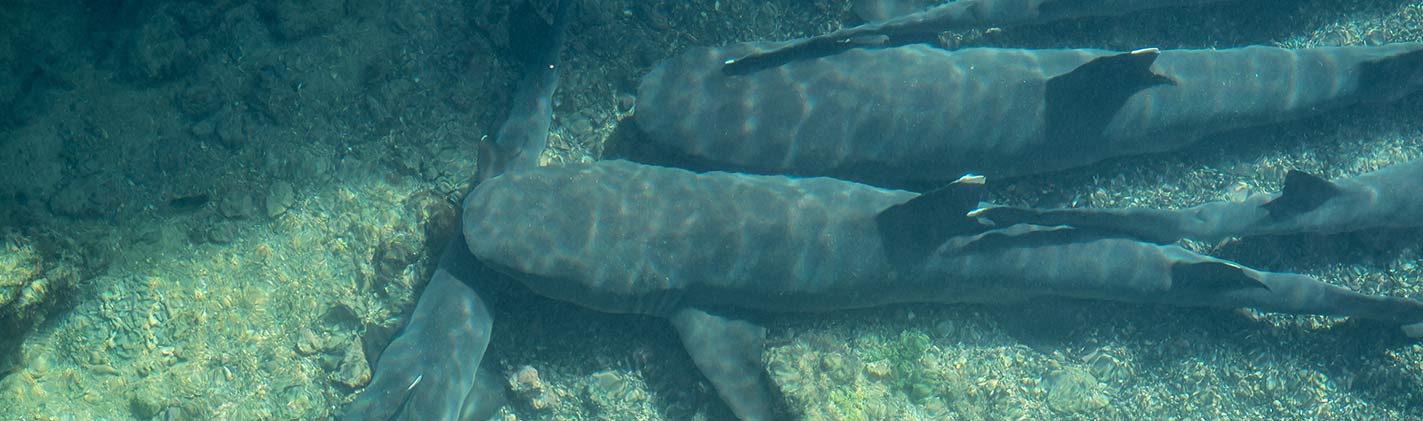
- Visit Tintoreras Islet, home to white-tip reef sharks and volcanic lava formations.
- Discover Flamingo Lagoon and observe pink flamingos in the wild.
- Experience the dramatic volcanic landscapes and endemic ecosystems of the Galapagos Islands.
- Airport assistance (Quito or Guayaquil, if flights are booked through LT)
- Transfers in Galapagos
- Accommodation on board in double cabin
- All meals during the cruise
- Naturalist Bilingual Guide level III
- All visits and excursions according to the itinerary
- Snorkel Gear (mask, tube and fins)
- Kayaks
- Unlimited purified water, coffee and tea
- Fuel surcharge
- One night in a hotel included in the 8D/7N itinerary
- Internet
- Round trip flight to/from Galapagos
- Galapagos National Park Entrance fee USD 200 p/p
- Galápagos Ingala card USD 20 p/p
- Wet suit rental
- Tips
- Local Taxes
- Travel Insurance
- Meals and services not mentioned above
- Alcoholic drinks and soft drinks
- Extras and personal expenses
Itinerary
Day 1 : San Cristobal | Gianni Arismendy
AM: FLIGHT TO GALAPAGOS
You will fly to the Galapagos Islands today. The Galapagos Government requires a fee of $20 USD for the migration control card.
Upon arrival in San Cristobal, you will pass through an inspection point at the airport to ensure you do not introduce foreign plants or animals to the archipelago. Here, you will also pay the entrance fee to the Galapagos National Park, which, as of September 2024, is $200 for foreign passengers and $100 for children under 12.
Your guide will meet you at the airport, assist with your luggage, and escort you to a motorized boat called a panga, which will take you to the Catamaran Seaman Journey.
PM: GIANNI ARISMENDY ENVIRONMENTAL INTERPRETATION CENTRE
The Gianni Arismendy Environmental Interpretation Centre features lush gardens and stunning ocean views. Here, you will learn about the geological and human history of the islands, conservation facts, and natural history. This center serves as the oldest natural history museum in the Galapagos, striving to preserve the archipelago’s unique ecosystem.
Day 2 : San Cristobal | Lobos Island
AM: SAN CRISTOBAL ISLAND
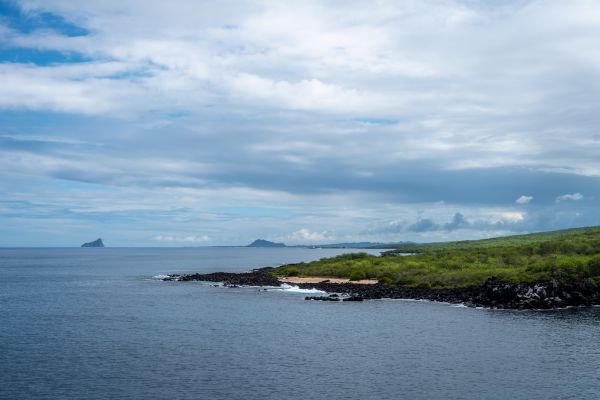
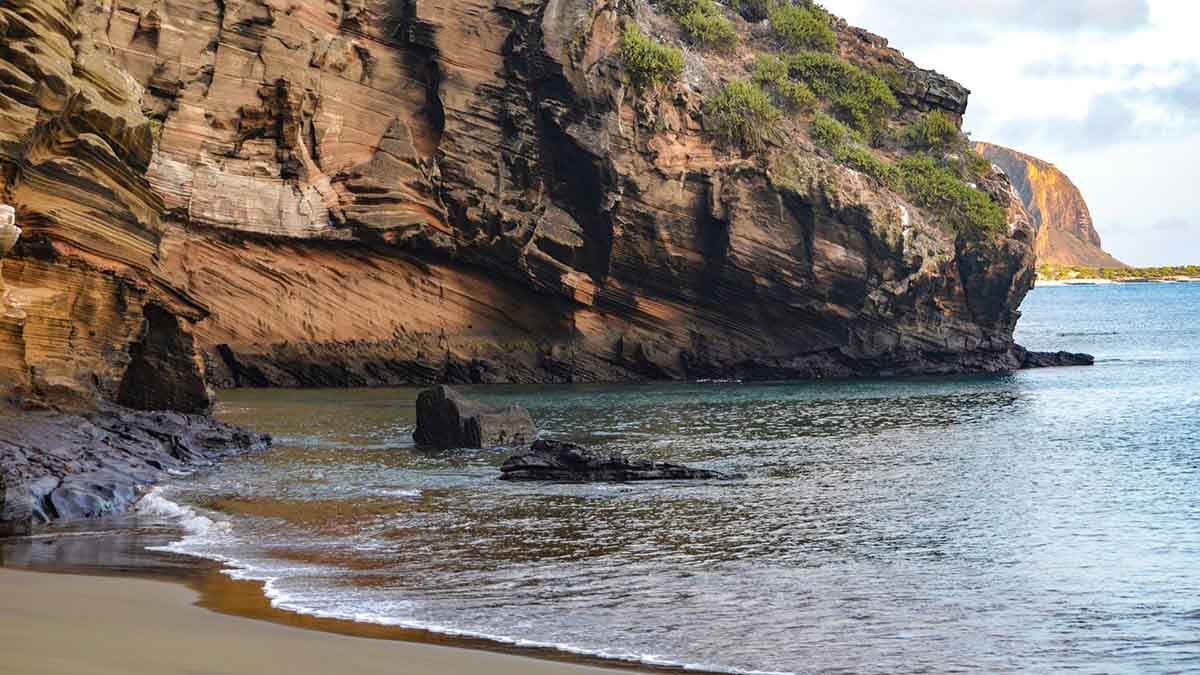
Punta Pitt, located at the eastern end of San Cristobal Island, features a 90-meter beach and several natural viewpoints overlooking an eroded hill of volcanic tuff. A 1,400-meter trail leads from Oliviana Beach to the hilltop, showcasing vibrant colors from various types of lava. Strong winds have created stunning landscapes reminiscent of a science fiction movie.
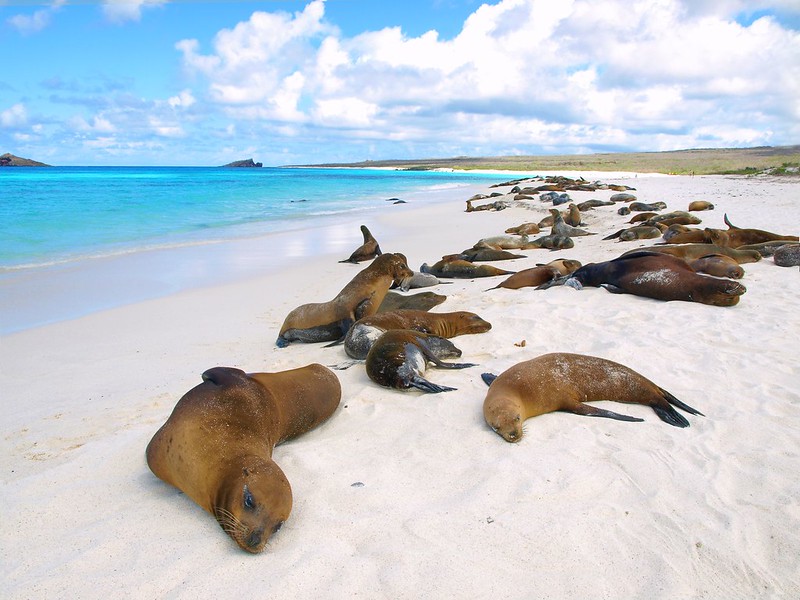
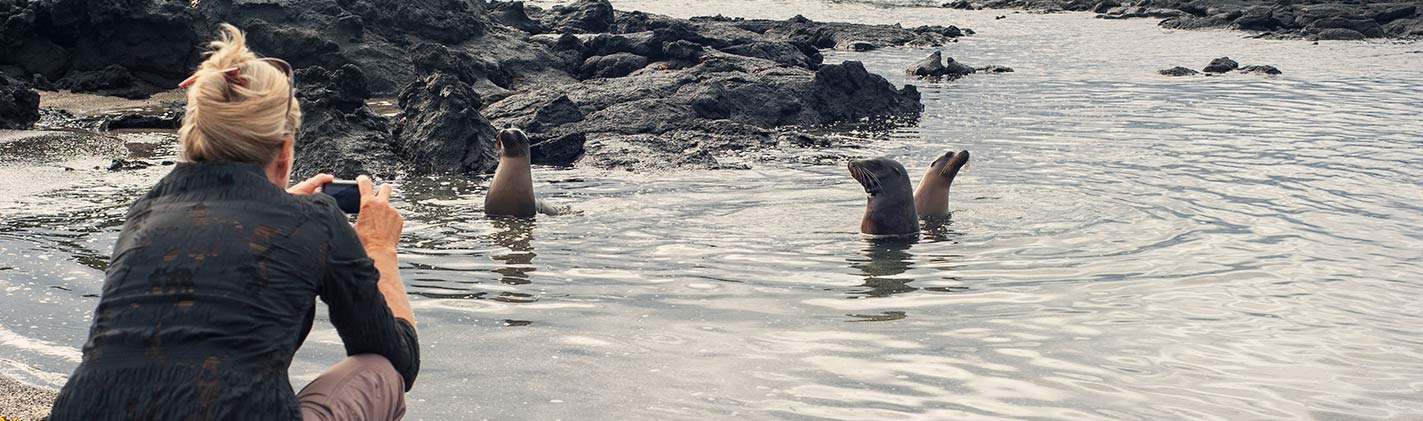
Oliviana Beach’s sand, adorned with bright crystals from lava erosion and shells, provides a sunbathing spot for sea lions. Here, you can observe frigate birds, pelicans, herons, and seagulls. Punta Pitt is one of the few places where you can see all three species of boobies—blue-footed, red-footed, and masked—along with two species of frigate birds.
PM: LOBOS ISLAND, SAN CRISTOBAL ISLAND
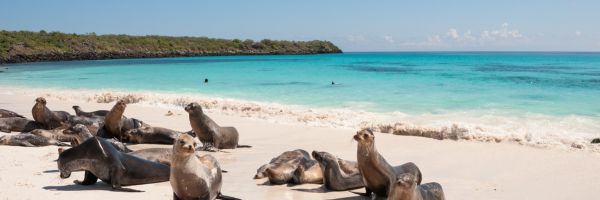
Isla Lobos is a small, flat islet known for its sea lion population, which frolics on the white sand beach. Located about 20 minutes by boat from Puerto Baquerizo Moreno, the island offers excellent snorkeling opportunities. Two strands of beach provide access for tourists to explore the underwater world alongside sea lions. An 850-meter trail connects the brush and features saltwater-tolerant coastal vegetation. It is an important nesting site for blue-footed boobies and frigate birds. One of the easiest islands to walk on as it is flat and everything is very close.
Breakfast / Lunch / Dinner
Day 3 : Española Island & Suarez Point
AM: ESPAÑOLA ISLAND, GARDNER BAY
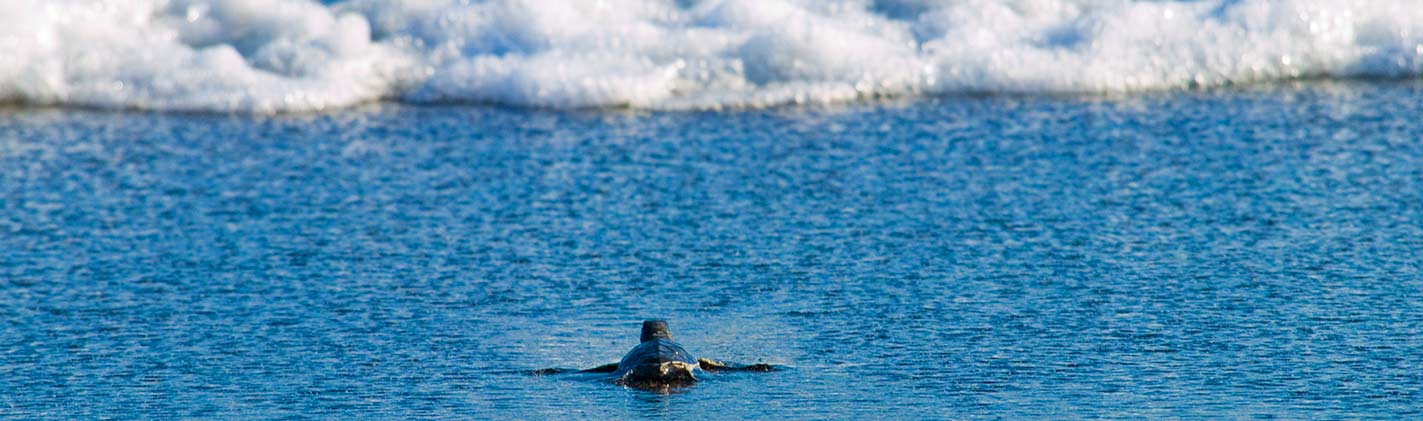
Gardner Bay, located on the northeastern coast of Hood Island, features a beautiful beach for relaxing, swimming, and kayaking. You can spot sea lions, swim with sea turtles and even glimpse small white-tip reef sharks in the clear waters.
- In this area, you can observe three species of Darwin finches:
- A subspecies of large-billed cactus finch (Geospiza fuliginosa)
- Small-beaked ground finch (Geospiza fuliginosa)
- Singing finch (Certhidea olivacea)
Both resident and migratory birds populate this region.
PM: SUAREZ POINT
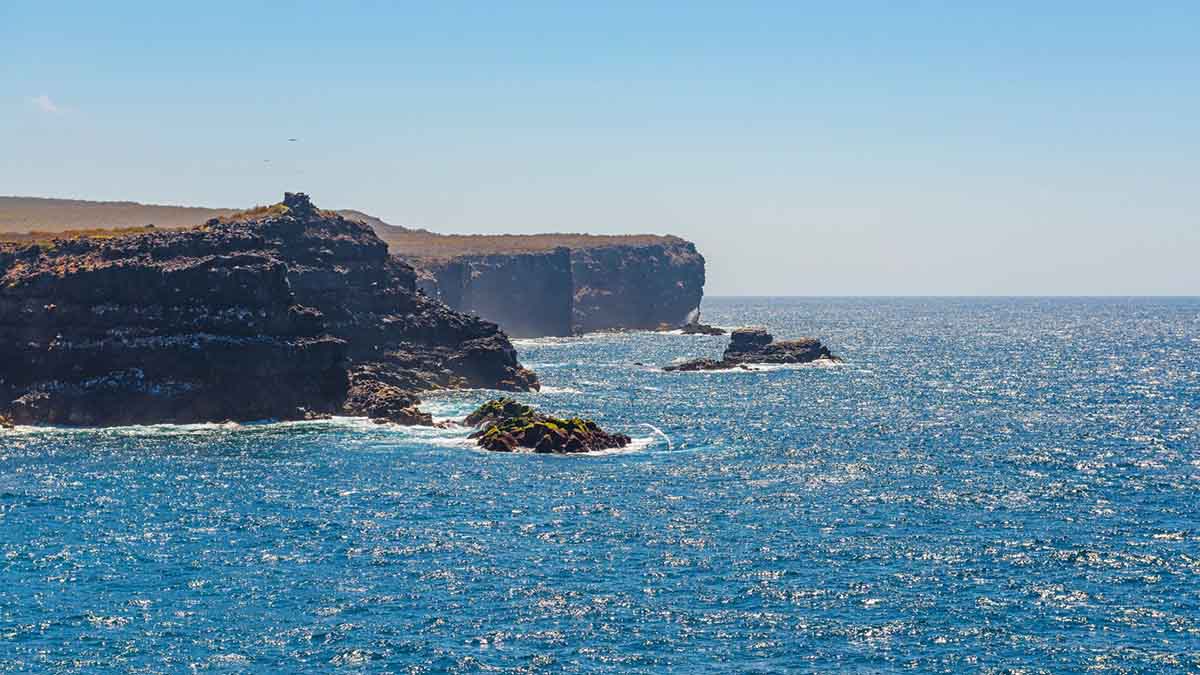
Suarez Point is ideal for spotting blue-footed boobies, albatrosses, and Nazca boobies. Set along the oceanfront, this beautiful site features large waved albatrosses launching from cliffs. A famous blowhole here shoots water 50 to 75 meters into the air, offering fantastic photography opportunities.
Breakfast / Lunch / Dinner
Day 4 : Fauto Llerena Breeding Centre
AM: FAUSTO LLERENA BREEDING CENTRE.
The Fausto Llerena Breeding Centre, located in the Galapagos National Park on Charles Darwin Avenue, is
a 40-minute walk from Gus Angermeyer Tourist Pier.
Start your visit at the Galapagos National Park Service information booth. Follow the trail to the Van
Straelen Interpretation Centre, then to the breeding center. An elevated wooden path allows you to view several species of Santa Cruz tortoises and the tortoises of Española Island, culminating at the baby-
tortoise breeding corral.
After your visit, you will transfer to Baltra airport for your flight back to the mainland.