Explore the Galápagos aboard the Seaman Journey, from volcanic landscapes and pristine beaches to remarkable wildlife encounters. Discover Bartolomé, Genovesa, North Seymour, South Plazas, Santa Fe, and San Cristóbal, with opportunities to see penguins, sea lions, giant tortoises, marine iguanas, boobies, frigatebirds, and albatrosses. The journey combines snorkeling, hiking, birdwatching, and conservation visits, including the David Rodriguez Tortoise Breeding Centre and Fausto Llerena Breeding Centre.
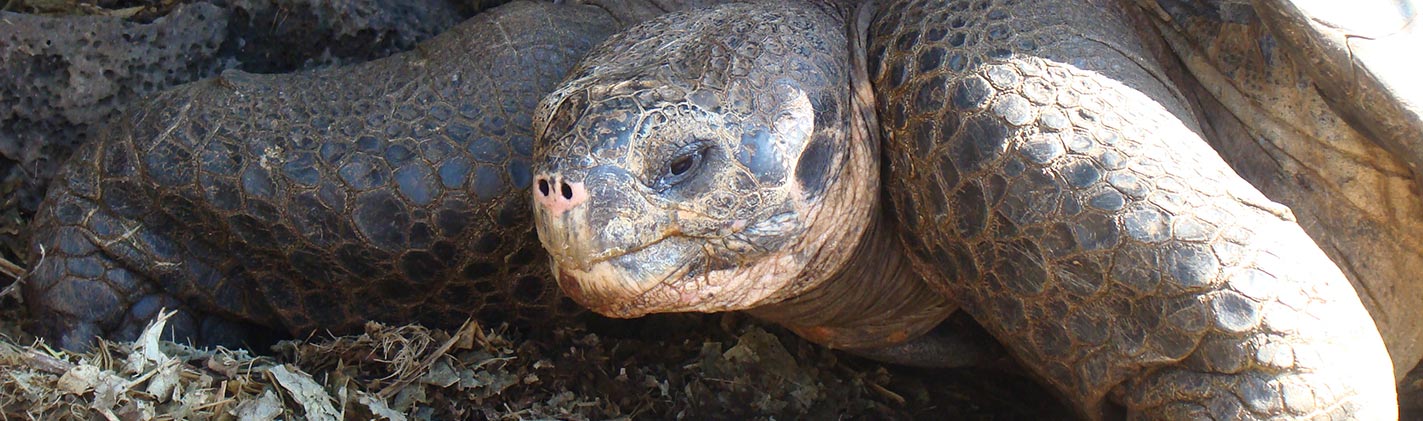
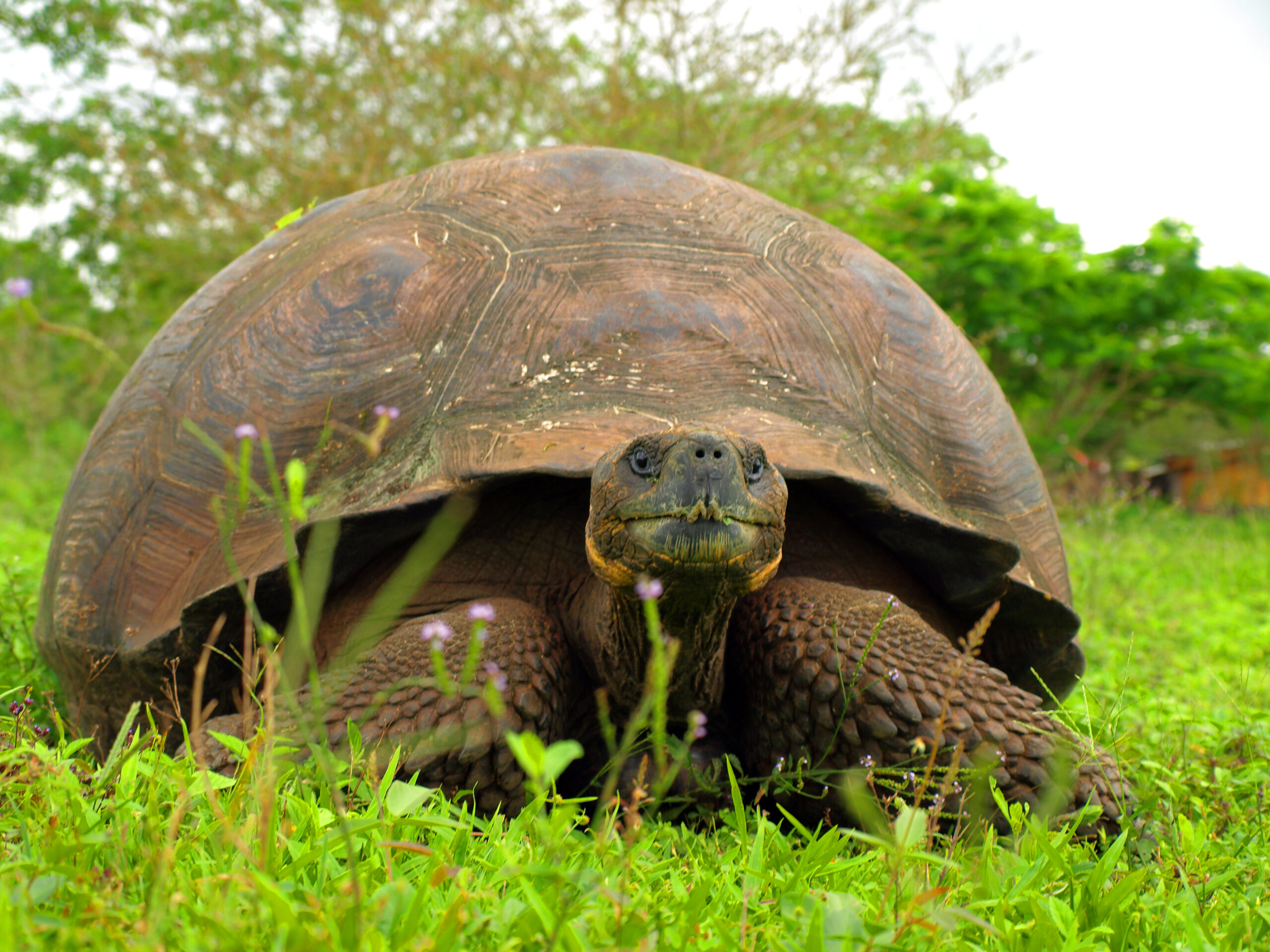
- Observe giant tortoises in their natural habitat in the Santa Cruz Highlands.
- Explore the world-famous Tortuga Bay Beach with its white sand and turquoise waters.
- Enjoy two full-day navigation tours to iconic Galapagos islands.
- Snorkel alongside sea lions, marine iguanas, penguins, and tropical fish.
- Visit Tintoreras Islet, home to white-tip reef sharks and volcanic lava formations.
- Discover Flamingo Lagoon and observe pink flamingos in the wild.
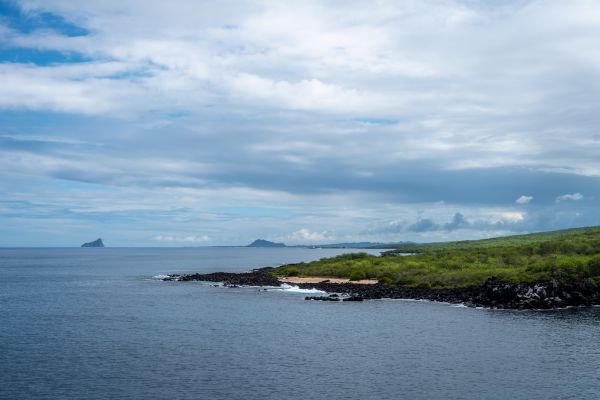
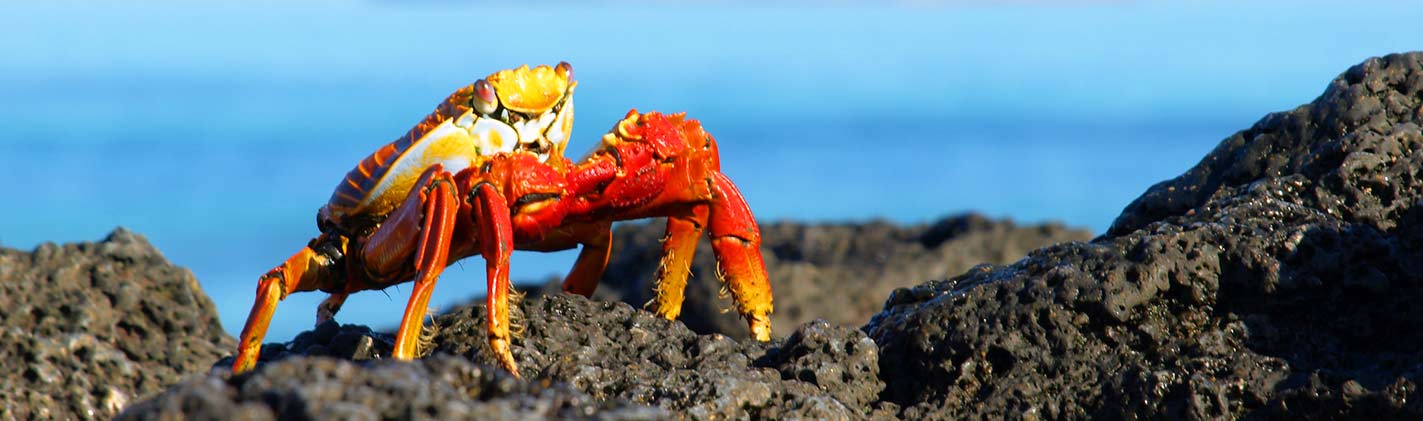
- Experience the dramatic volcanic landscapes and endemic ecosystems of the Galapagos Islands.
- Airport assistance (Quito or Guayaquil, if flights are booked through LT)
- Transfers in Galapagos
- Accommodation on board in double cabin
- All meals during the cruise
- Naturalist Bilingual Guide level III
- All visits and excursions according to the itinerary
- Snorkel Gear (mask, tube and fins)
- Kayaks
- Unlimited purified water, coffee and tea
- Fuel surcharge
- One night in a hotel included
- Internet
- Round trip flight to/from Galapagos
- Galapagos National Park Entrance fee USD 200 p/p
- Galápagos Ingala card USD 20 p/p
- Wet suit rental
- Tips
- Local Taxes
- Travel Insurance
- Meals and services not mentioned above
- Alcoholic drinks and soft drinks
- Extras and personal expenses
Itinerary
Day 1 : Bartolome Island
AM: FLIGHT TO GALAPAGOS
Your journey begins with a flight to this remarkable archipelago. Upon arrival, our VIP representatives will assist you with all entry formalities, including the migration card ($20) and National Park fee $200 for adults (as of September 2024) and Children $100 (under 12 years old). After a brief biosecurity clearance, your personal naturalist guide will greet you and escort you to our private transport.
While our crew handles your luggage, you’ll be transferred to the Seaman Journey via our comfortable tender boat, known locally as a “panga.” This short scenic ride delivers you directly to your boutique yacht, where our crew awaits with refreshments to welcome you aboard. We’ve arranged every detail to ensure your arrival is seamless and comfortable, allowing you to begin your Galapagos adventure in style.
PM: BARTOLOME ISLAND
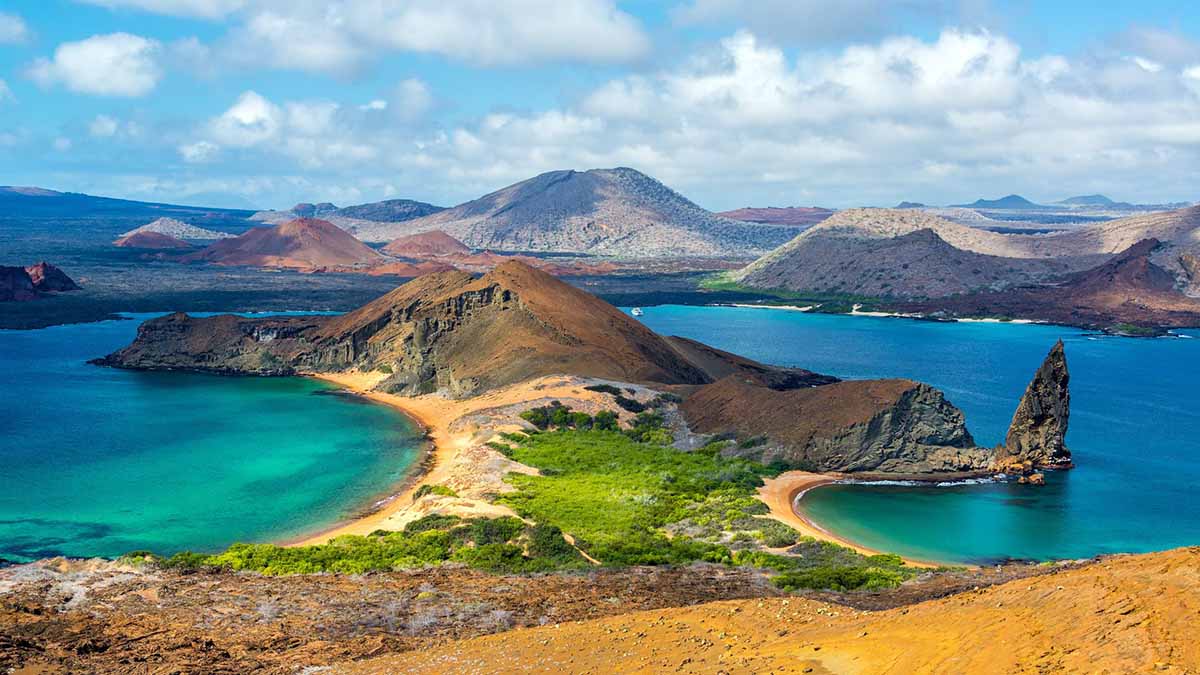
Bartolome Island is situated across Sullivan Bay. It has an altitude of 114 meters (aprox 375 feet), from where we can observe one of the most beautiful sceneries of the Galapagos Islands featuring Volcanic cones, lunar-like craters, lava fields, and the famous Toba-formed pinnacle eroded by the sea.
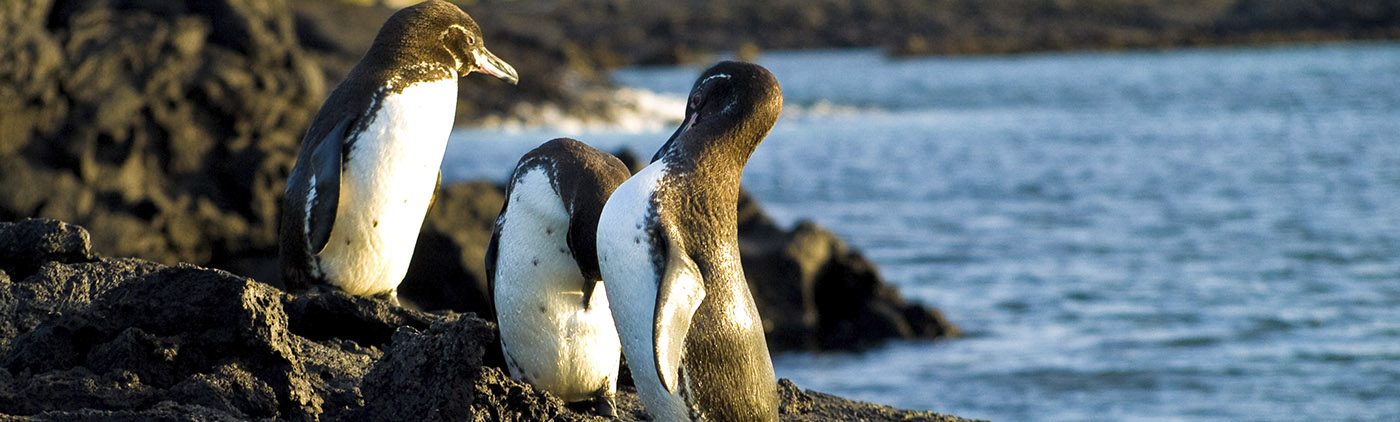
It has two breathtaking beaches where marine turtles can be spotted alongside sea lions and at the base of the pinnacle, there is a tiny colony of Galapagos penguins.
Day 2 : Genovesa Island & Darwin Bay
AM: GENOVESA, ISLAND EL BARRANCO – THE CLIFF
El Barranco offers an enchanting morning exploration along Darwin Bay’s southern edge. This 1.5 km trail traverses volcanic terrain and typically requires two hours at a leisurely pace. The path reveals one of Genovesa’s most remarkable bird sanctuaries, where red-footed and masked boobies nest in close proximity.
In the cliff’s natural cavities, observe fascinating storm petrels and their primary predator, the short-eared owl. The dramatic coastline can be admired both from the trail and during a comfortable panga ride, where you might spot fur sea lions resting on the rocks.
Note: This is one of only five locations in the archipelago where the red-footed booby nests, making it a particularly special destination for wildlife enthusiasts.
PM: DARWIN BAY
This bay originated when the crater of this island collapsed below sea level. The wet landing is on a beautiful white coral sandy beach. This island is a favorite destination for birdwatchers, allowing the observation of several species including: red-footed boobies, masked boobies, wandering tattlers, lava gulls, whimbrels, yellow-crowned and black-crowned lava herons, and yellow warblers.
Continuing on the trail, visitors can see Red-Foots nesting in the Mangrove trees below. Birdwatching opportunities include sightings of sharp-beaked finches, large cactus and ground finches, Galapagos doves, and swallow-tailed gulls. Alongside the trail, there are tidal pools, here you can observe coastal and sea birds like night herons as well playful sea lions. It is also a very good snorkeling spot to encounter marine life like small reef-trip sharks, sea turtles and hundreds of colorful fish. Sea Kayaking is also possible.
Breakfast / Lunch / Dinner
Day 3 : Mosquera Islet & North Seymour Island
AM: MOSQUERA ISLET
Located between North Seymour and Baltra, Mosquera Islet is one of the smallest islands in the Galápagos. It is of volcanic origin, formed by geological uplift, has no visible crater, and its terrain is very flat.
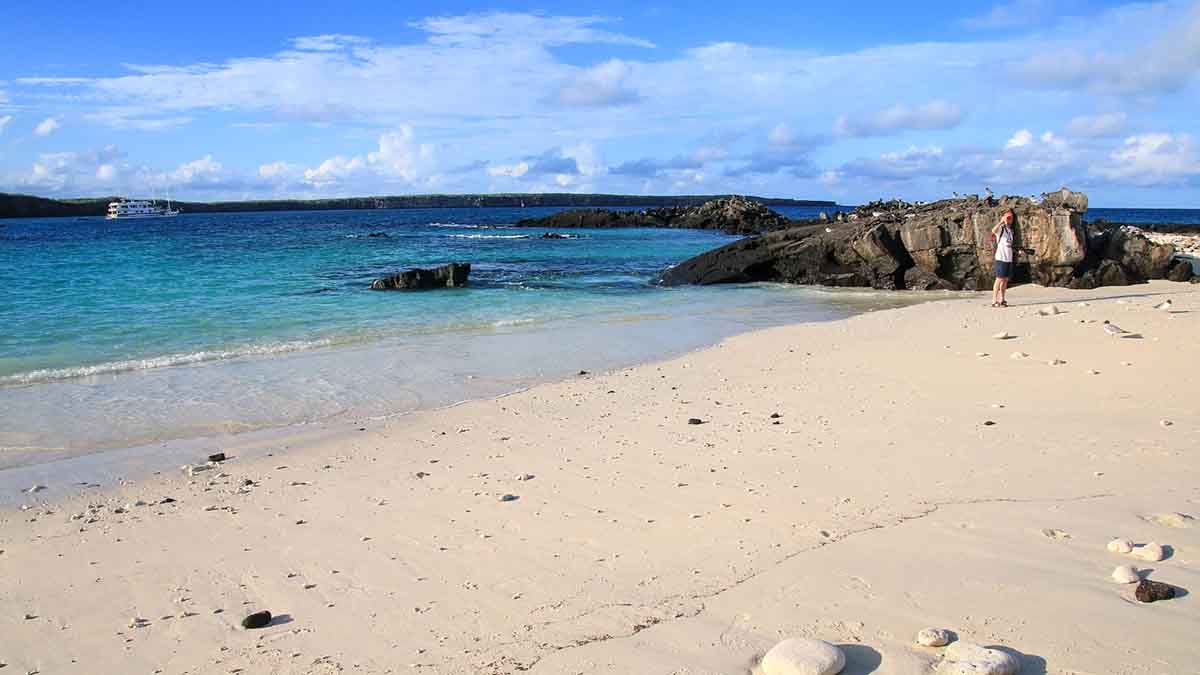
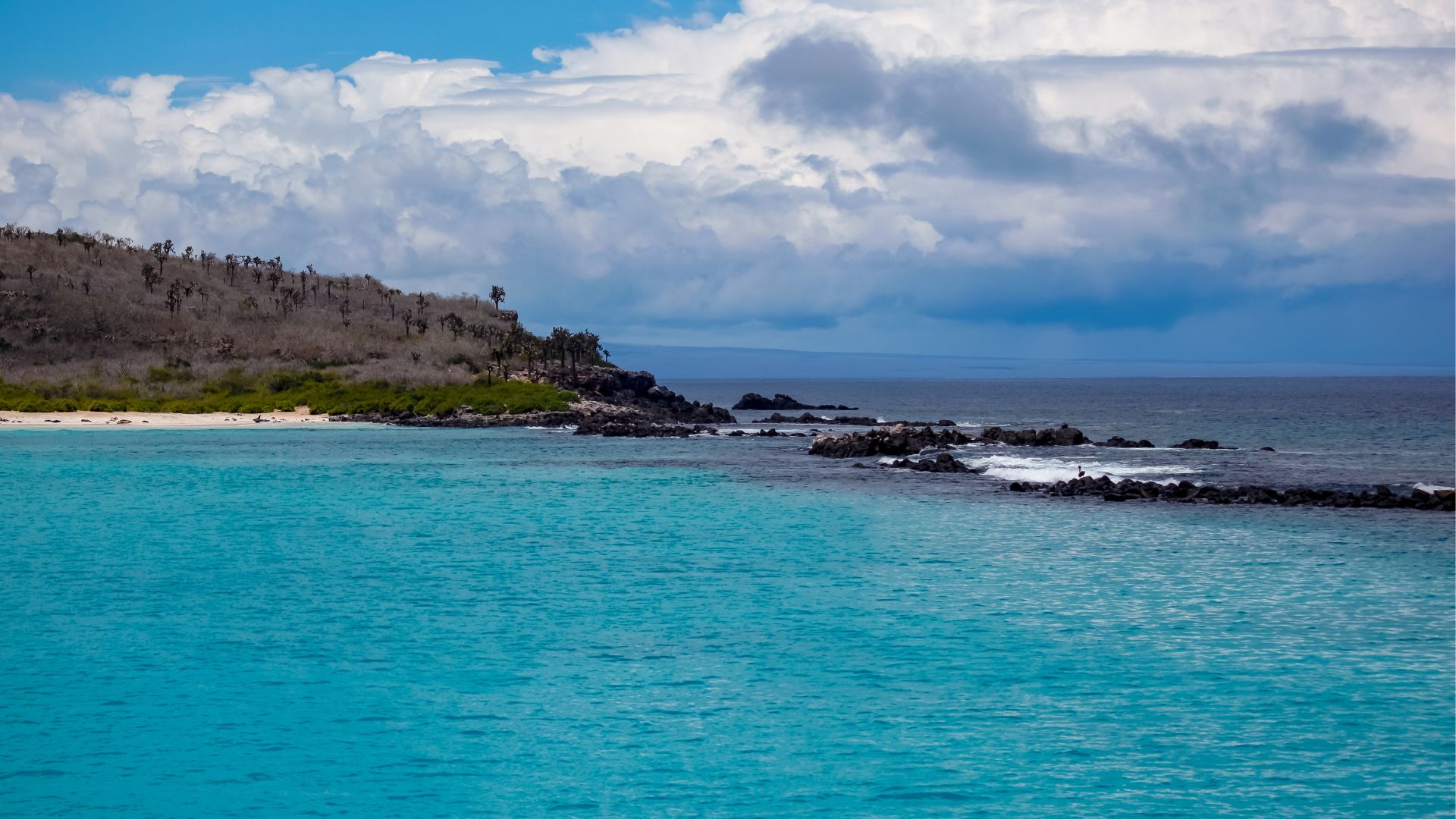
One of the most striking features of Mosquera is the contrast of colors. A beautiful beach of white sand, transparent turquoise waters, lush green vegetation, and jet-black lava rocks. Landscape photography is highly recommended here, especially in the golden light conditions of early morning or at sunset.
PM: NORTH SEYMOUR
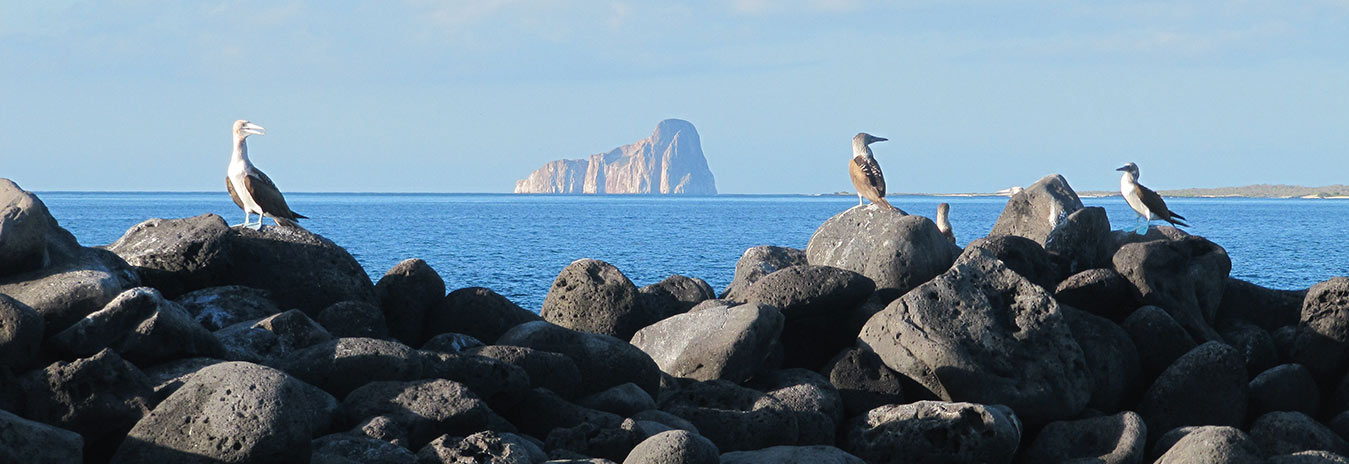
This remarkable elevated island offers an easy, level walking experience across a pristine landscape. Here, nature provides an intimate theater of Galapagos wildlife. Watch magnificent frigatebirds nesting among the low shrubs, their males displaying their brilliant red throat pouches, while charming blue-footed boobies perform their delightful courtship dances a few feet from the trail.
Along the shoreline, playful sea lions ride the waves, while elegant swallow-tailed gulls perch gracefully on the cliffs. Our expert guides will lead you along well-maintained paths, ensuring comfortable viewing of these fascinating creatures in their natural habitat. Your visit can be as active or relaxed as you prefer, with ample opportunities to observe and photograph from convenient resting spots.
Breakfast / Lunch / Dinner
Day 4 : Plaza Island & Santa Fe
AM: PLAZAS ISLANDS
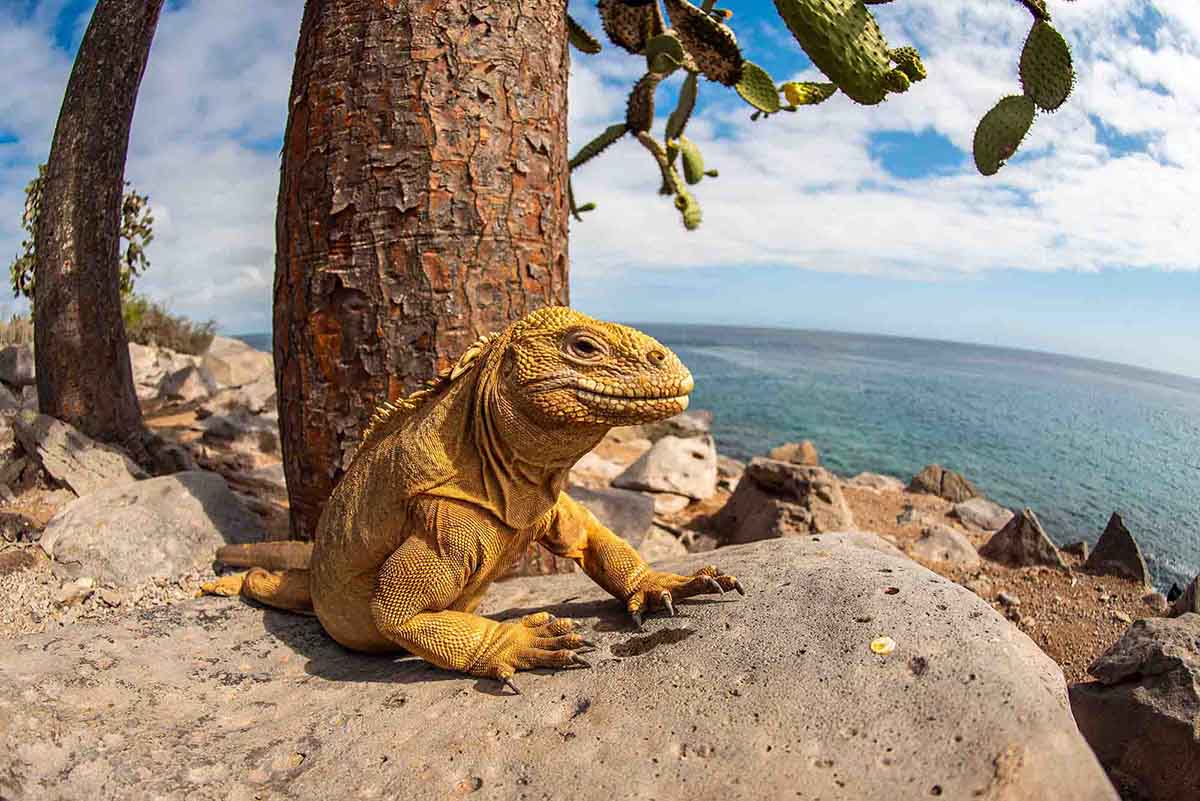
South Plazas is located to the east of Santa Cruz Island and forms part of two islands known as Islas Plazas. Despite its small size, some of the most interesting and outstanding species of the Galapagos are found here. The Plazas land iguanas are smaller than their relatives found on other islands.
Throughout the island, there are several hybrid iguanas, a result of crossing a male marine iguana and a female land iguana. They are unique, recognisable at first glance by their black/gray colour, with a land iguana’s crest, but face and tail of the marine iguana. The large population of iguanas is due to the presence of tunas, their favourite food. Swallow-tailed gulls nesting in the rugged cliffs are seen along with other seabirds such as Audubon shearwaters, red-billed tropicbirds, frigate birds, and brown pelicans.
PM: SANTA FE
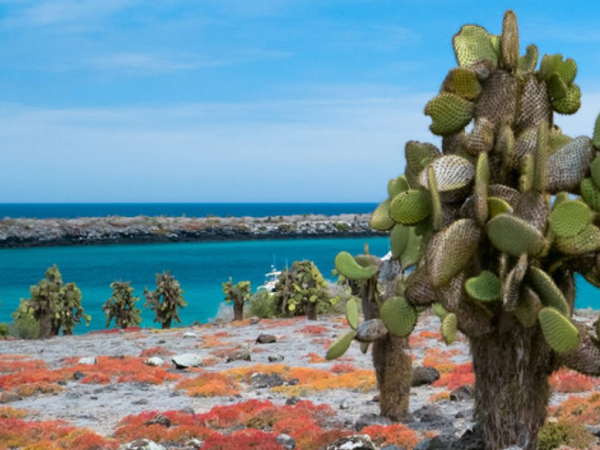
After disembarking in the beautiful and clear waters, you will be in proximity with one of the many sea lion colonies. Along the trail, many salt bushes can be seen as well as giant prickly pear cacti: gigantism is a characteristic of oceanic islands. There are great possibilities for snorkelling with playful sea lions and tropical fish.
After disembarking in the beautiful and clear waters, you will be in contact with one of the many sea lion colonies. Along the trail, many salt bushes can be seen as well as giant prickly pear cacti: gigantism is a characteristic of oceanic islands. There are great possibilities for snorkelling with playful sea lions and tropical fish.
Breakfast / Lunch / Dinner
Day 5 : David Rodriguez & Gianni Arismendy Environmental Interpretation Centre
AM: DAVID RODRIGUEZ LAND TORTOISE BREEDING CENTRE.
Your morning in the Galapagos starts with a visit to the prestigious David Rodriguez Tortoise Center, a conservation jewel dedicated to protecting San Cristóbal’s native giant tortoises. Named after a devoted park ranger who served these islands for 39 years, this sophisticated breeding facility plays a crucial role in preserving these magnificent creatures.
Located in a serene setting near Cerro Colorado, the center is a 40-minute scenic drive from port through the island’s highlands. Here, you’ll witness the remarkable Chelonoides chathamensis tortoises in a carefully designed natural habitat. The facility, established in 2002 and refined over the years, represents the pinnacle of conservation excellence in the Galapagos.
PM: GIANNI ARISMENDY ENVIRONMENTAL INTERPRETATION CENTRE
The Gianni Arismendy Environmental Interpretation Centre features lush gardens and stunning ocean views. Here, you will learn about the geological and human history of the islands, conservation facts, and natural history. This center serves as the oldest natural history museum in the Galapagos, striving to preserve the archipelago’s unique ecosystem.
Breakfast / Lunch / Dinner
Day 6 : San Cristobal Island & Lobos Island
AM: SAN CRISTOBAL ISLAND
Punta Pitt, located at the eastern end of San Cristobal Island, features a 90-meter beach and several natural viewpoints overlooking an eroded hill of volcanic tuff. A 1,400-meter trail leads from Oliviana Beach to the hilltop, showcasing vibrant colors from various types of lava. Strong winds have created stunning landscapes reminiscent of a science fiction movie.
Oliviana Beach’s sand, adorned with bright crystals from lava erosion and shells, provides a sunbathing spot for sea lions. Here, you can observe frigate birds, pelicans, herons, and seagulls. Punta Pitt is one of the few places where you can see all three species of boobies—blue-footed, red-footed, and masked—along with two species of frigate birds.
PM: LOBOS ISLAND, SAN CRISTOBAL ISLAND
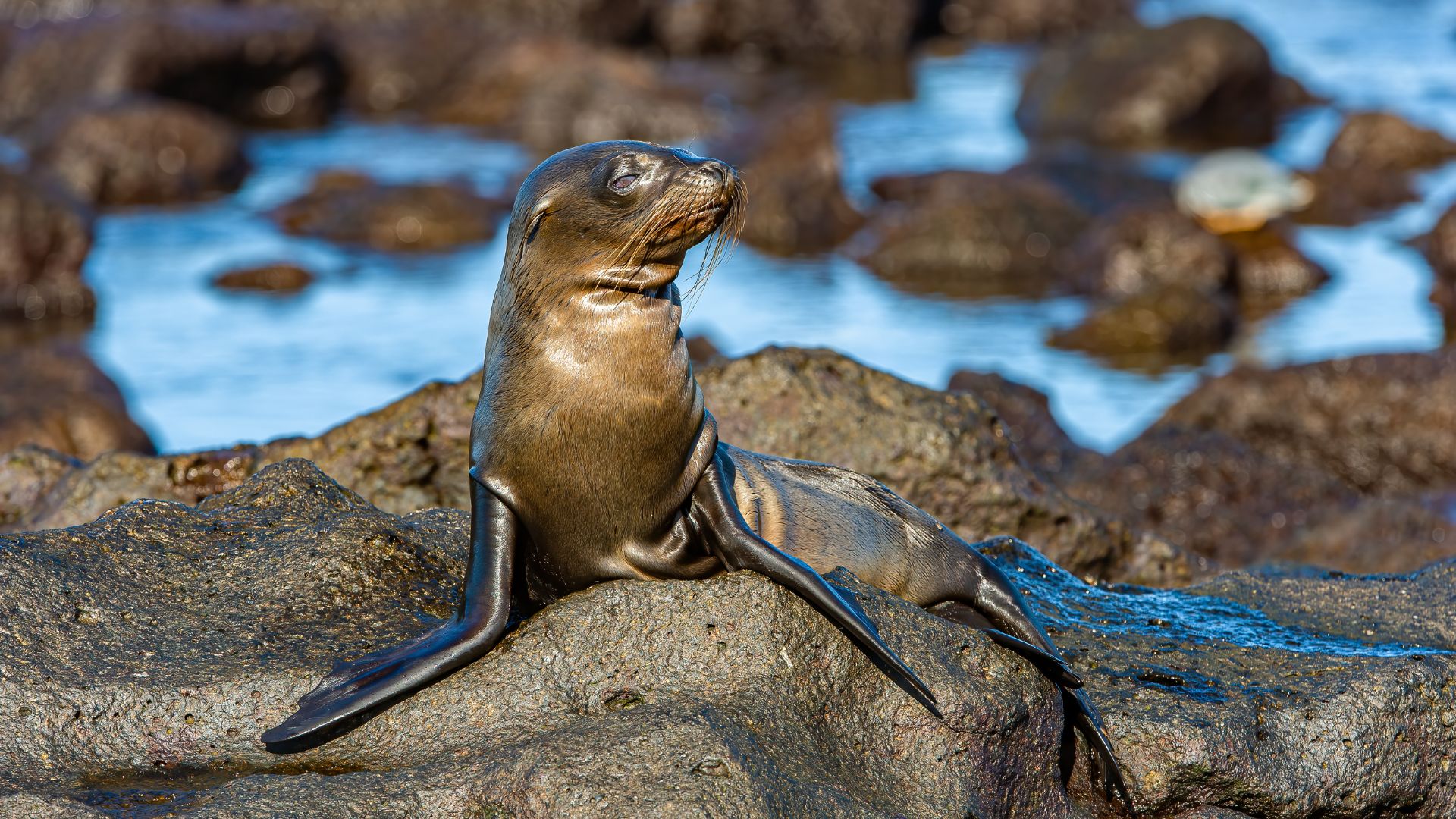
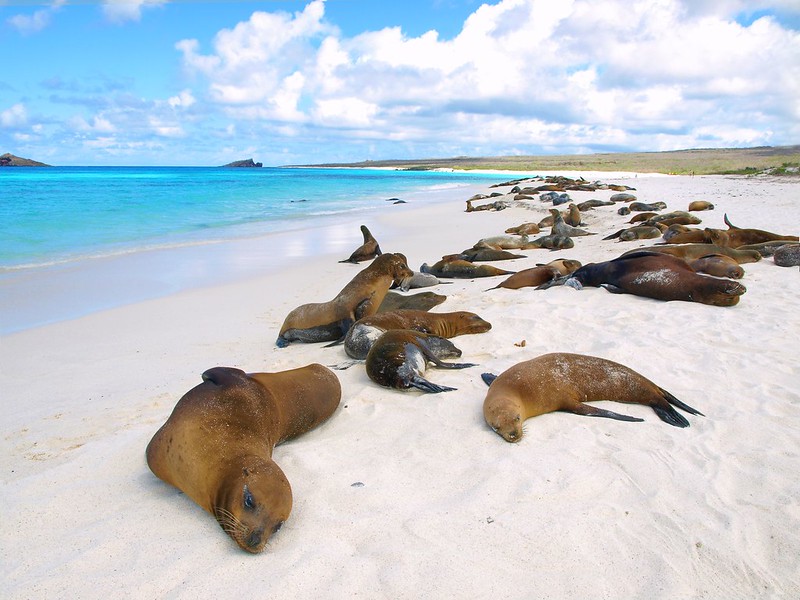
Isla Lobos is a small, flat islet known for its sea lion population, which frolics on the white sand beach. Located about 20 minutes by boat from Puerto Baquerizo Moreno, the island offers excellent snorkeling opportunities. Two strands of beach provide access for tourists to explore the underwater world alongside sea lions. An 850-meter trail connects the brush and features saltwater-tolerant coastal vegetation. It is an important nesting site for blue-footed boobies and frigate birds. One of the easiest islands to walk on as it is flat and everything is very close.
Breakfast / Lunch / Dinner
Day 7 : Española Island & Suarez Point
AM: ESPAÑOLA ISLAND, GARDNER BAY
Gardner Bay, located on the northeastern coast of Hood Island, features a beautiful beach for relaxing, swimming, and kayaking. You can spot sea lions, swim with sea turtles and even glimpse small white-tip reef sharks in the clear waters.
In this area, you can observe three species of Darwin finches:
- A subspecies of large-billed cactus finch (Geospiza fuliginosa)
- Small-beaked ground finch (Geospiza fuliginosa)
- Singing finch (Certhidea olivacea)
Both resident and migratory birds populate this region.
PM: SUAREZ POINT
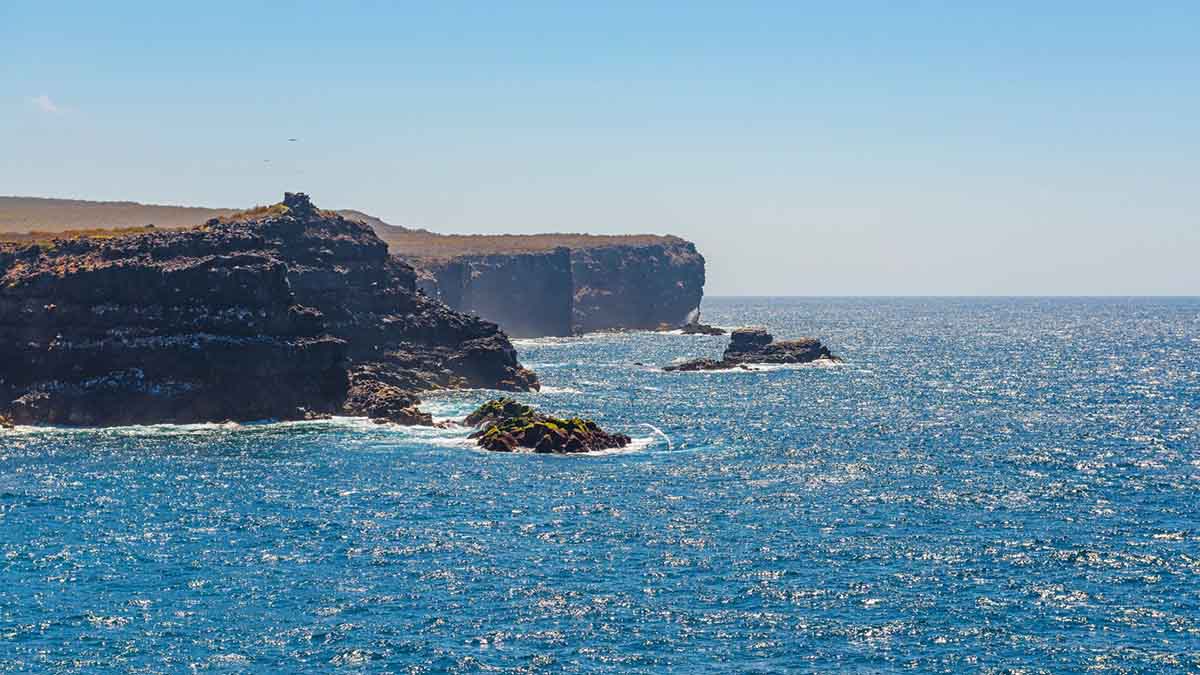
Suarez Point is ideal for spotting blue-footed boobies, albatrosses, and Nazca boobies. Set along the oceanfront, this beautiful site features large waved albatrosses launching from cliffs. A famous blowhole here shoots water 50 to 75 meters into the air, offering fantastic photography opportunities.
Breakfast / Lunch / Dinner
Day 8 : Fausto Llerena Breeding Center
AM: FAUSTO LLERENA BREEDING CENTRE.
The Fausto Llerena Breeding Centre, located in the Galapagos National Park on Charles Darwin Avenue, is a 40-minute walk from Gus Angermeyer Tourist Pier. Start your visit at the Galapagos National Park Service information booth. Follow the trail to the Van Straelen Interpretation Centre, then to the breeding center. An elevated wooden path allows you to view several species of Santa Cruz tortoises and the tortoises of Española Island, culminating at the baby-tortoise breeding corral.
After your visit, you will transfer to Baltra airport for your flight back to the mainland.